
Did you know that pets can develop fatal heat stroke in as little as 15 minutes on a hot day? With temperatures soaring and heat waves becoming more common, every pet owner must act fast to protect their furry friend. In this comprehensive guide, you’ll learn the essential steps to keep pets cool in hot weather, from recognizing the first signs of heat stress to practical heatwave safety measures. Don’t let a hot day become a tragedy-discover the vital actions you need to take now!
Why You Must Protect Your Pet During a Heatwave: Shocking Facts Every Pet Owner Needs to Know
-
Did you know that pets can suffer fatal heat stroke within 15 minutes in hot weather? Uncover how extreme temperatures, especially during a heat wave, can silently put your furry friend at risk.

How to Protect Your Pet During a Heatwave: Essential Advice for Hot Weather
During a heat wave, the risk to your pet’s health escalates dramatically. Hot weather puts added stress on your dog, cat, or other furry friends, increasing the likelihood of heat stroke , dehydration, and even sudden death. Pet owners must prioritize practical steps to ensure every furry friend stays cool in hot weather. This isn’t just comfort, it is a matter of survival. Providing shade, constant cool water, and minimizing outdoor activity are not just recommendations; they are lifelines.
Practical examples can save lives: A damp towel placed under your pet, or setting up a shaded area using umbrellas or tarps, offers much-needed relief on a hot day. Another essential tip is never to leave a pet in a hot car. Not even for a minute. Hot cars become deadly traps faster than you might think, with temperatures inside rising to dangerous levels, even with windows cracked. For high-risk animals, such as brachycephalic breeds (like Pugs and Bulldogs) or older pets, every extra degree can be a tipping point.
Immediate Steps: Keeping Your Dog Cool and Safe in Extreme Heat
-
Provide constant access to fresh water
-
Use a damp towel to cool your dog
-
Ensure a shady spot is always available
-
Never leave pets in a hot car
First and foremost, make sure your dog always has a bowl of cool water nearby and replace it often as it heats up quickly in the sun. Wiping their bodies and paw pads with a damp towel can help them stay cool in hot weather, especially after a walk on hot pavements. Always provide shelter or a shady spot for your pet to rest, and avoid activity during the hottest parts of the day. The cardinal rule? Never leave your pet in a hot car. On a hot day, temperatures inside skyrocket, even for a short time, endangering your furry friend within minutes.
Small measures add up, so position fans to circulate air, set up a paddling pool for dogs to wade in, and take your walks early in the morning or late in the evening. These immediate actions form the foundation of how to effectively protect your pet during a heatwave .
Understanding the Dangers of Heat Stroke in Furry Friends
-
Learn to recognize signs of heat stress including excessive panting, drooling, lethargy, and collapse.
Heat stroke is one of the most devastating consequences of extreme heat for pets and it can be subtle at first. Excessive panting is often the initial clue, followed by drooling, weakness, and lethargy. If untreated, overheating can progress to disorientation, vomiting, and finally, collapse. Recovery is not guaranteed, making early detection and intervention crucial for your furry friends.
High outdoor temperatures, especially during a heat wave, increase risk for heat stroke exponentially. Unlike humans, dogs and cats cannot sweat to release heat; they rely on panting and are far more vulnerable to sudden spikes in temperature. Pet owners should be vigilant, noting any changes in behavior during warm weather or after outdoor play. Always remember that acting quickly at the first sign of trouble could mean the difference between life and critical injury or even death.

Recognizing and Preventing Heat Stroke: Vital Actions for Pet Owners
Top Signs of Heat Stress in Your Pet During a Heatwave
-
Rapid breathing or panting
-
Bright red tongue
-
Vomiting or diarrhea
-
Weakness
-
Collapse
Spotting the earliest signs of heat stress can be lifesaving. During a heat wave, observe your pet’s breathing closely; rapid, shallow panting, drooling, and a bright red tongue are telltale indicators of dangerous overheating. Progressive symptoms such as vomiting, diarrhea, or staggering call for immediate action. If your furry friend exhibits any of these signs, you must act fast to avoid irreversible harm from heat stroke .
Always consider breed, age, and health conditions, as flat-faced dogs, older animals, or pets with chronic illnesses can show signs of heat stress more rapidly and with greater severity. Early recognition is the bedrock of prevention—don’t ignore warning signals during hot weather or dismiss a “quiet day” as simple laziness.
Emergency Actions: What Pet Owners Should Do If Your Pet Overheats in Hot Weather
-
Move pet to a cool in hot area
-
Apply cool (not cold) water with a damp towel
-
Contact your veterinarian immediately
The moment you notice signs of heatstroke , act without delay. Move your pet to a shaded or air-conditioned area—never attempt to cool your pet too quickly or with ice-cold water, as this can cause shock. Instead, gently apply a damp towel to their underside, armpits, and paws to gradually lower their core temperature. Offering small amounts of cool water is also recommended.
If symptoms persist or your pet loses consciousness, call your vet immediately or rush to the nearest animal hospital . Rapid veterinary care is essential. Remember: a hot car or even hot pavement can trigger heat stress in minutes—your prompt response could be your pet’s life-saving chance.
“Never underestimate the danger of extreme heat for furry friends. One hot car can be deadly-even with the windows cracked.”
Practical Tips to Keep Your Dog Cool and Happy During Extreme Heat
Smart Ways to Keep Dogs and Other Furry Friends Cool in Hot Weather
-
Use cooling mats
-
Schedule walks during cooler hours
-
Offer ice cubes or frozen treats
-
Trim-not shave-long-haired breeds
Innovation and a little planning go a long way in keeping your dog cool and protecting your pet during a heatwave. Invest in a cooling mat or pads, which help regulate your pet’s body temperature, even on a hot day. Schedule walks or playtime early in the morning or after sunset to avoid the hottest parts of the day. Ice cubes or frozen treats double as entertainment and hydration, ideal for furry friends who may be reluctant to drink water during extreme heat.
For long-haired breeds, ask your groomer to lightly trim—not shave—them. A dog’s coat also protects against sunburn and insulation from hot pavements, so proper grooming is key. For inside time, position fans or air conditioning where your pets like to nap and ensure your house remains well-ventilated. Remember to limit access to hot pavement or other surfaces that can burn sensitive paw pads. Every one of these actions contributes to helping your furry friend stay cool in hot weather.

Safe Outdoor Activities for Your Dog During a Heat Wave
-
Try water games
-
Use shaded paths
-
Limit time outdoors
Even during sweltering days, you can protect your pet during a heatwave with creative, low-risk activities. Water games, like wading in a shallow paddling pool or letting your dog chase a gentle sprinkler, offer entertainment and help maintain a lower body temperature. Seek out shaded trails or parks when outdoor exercise is necessary, and test pavement temperatures with the back of your hand before a walk—hot pavements can injure paw pads quickly.
Keep play sessions brief and always observe for any signs of heatstroke . Aim for the coolest hours of the day, and forego exertion if temperatures remain high even at sunrise or sunset. Safety, not routine, should guide activity during a heat wave.
Pet Owners’ Essential Checklist: Protect Your Pet During a Heatwave
-
Monitor weather alerts for heat wave conditions
-
Prepare a safe, cool shelter
-
Never leave your pet unattended outdoors
-
Keep emergency vet contacts handy
Mark these steps on your calendar or app to ensure you’re always prepared. Pet owners who monitor weather conditions can act early—set up cooling devices or shift feeding times as needed. Preparing a room with air conditioning, fans, and fresh water can provide needed respite for all furry friends during extreme heat.
Never underestimate how quickly a safe backyard can become hazardous under direct sun, and always have your veterinarian’s number easily accessible for emergencies. Preventive preparation is paramount if you want to reliably protect your pet during a heatwave .
Traveling in a Heat Wave: How to Keep Pets Safe in a Hot Car
-
Never leave pets in a parked car
-
Use car shades and AC
-
Make frequent water stops
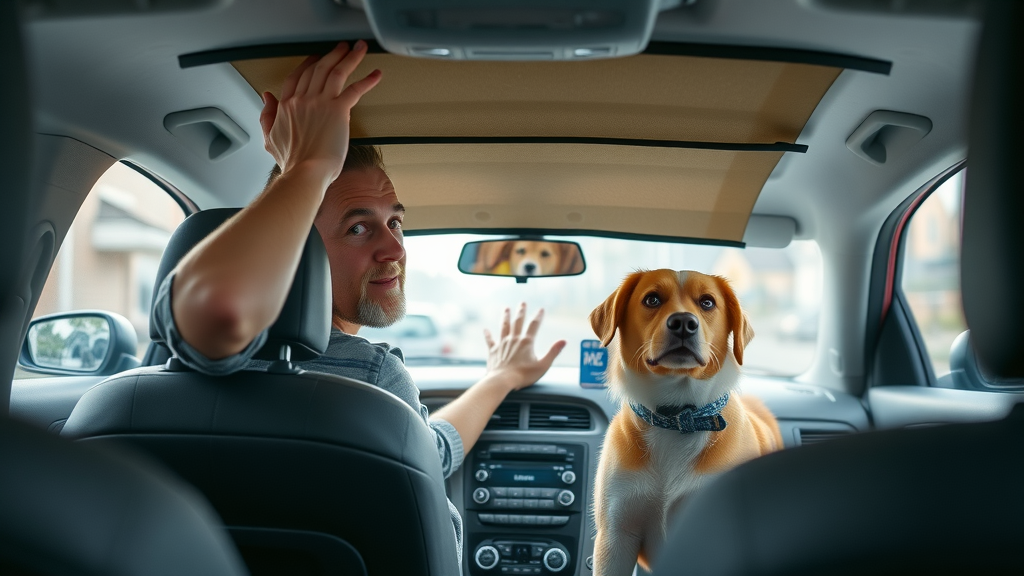
The risk of a hot car cannot be overstated: Interior temperatures climb by the minute, endangering your pet’s life. If you must travel, pre-cool your vehicle, install car window shades, and keep the air conditioning on. Only travel when necessary and make frequent stops to offer water and let your pet relieve itself in a shaded, grassy area.
For extended journeys during a heat wave , it is advisable to leave pets at home whenever possible. If you have to take your dog or cat along, keep trips as brief as possible, and never leave them unattended, not even with the windows open. By treating car travel during extreme heat as a last resort, you can effectively safeguard your pet’s wellbeing.
Quick Reference: Temperature Safety Table for Pets in Hot Weather
|
Temp in F |
Time to Danger (Mins) |
Risk Level |
|---|---|---|
|
80 |
60 |
Moderate |
|
90 |
30 |
High |
|
100+ |
10 |
Extreme |
This table highlights how quickly a hot day can spell disaster for pets. The hotter it gets, the less time you have to act, because at 100 degrees it can be life-threatening after just 10 minutes. Never leave your furry friend unattended under these conditions.
Why Hot Weather is Especially Dangerous for Certain Furry Friends
Breed and Age Risks: Knowing Your Pet’s Limits in Extreme Heat
-
Flat-faced breeds (pugs, bulldogs) are more vulnerable
-
Elderly pets and those with chronic illnesses are at higher risk
Not all pets handle heat the same way. Brachycephalic breeds like bulldogs, pugs, and Persian cats-struggle with airflow and can’t dissipate heat efficiently. Their short noses make them highly susceptible to heat stroke and rapid overheating even on moderately warm days. Similarly, puppies, senior pets, and animals with chronic illnesses bear increased risk due to less effective body temperature regulation.
For these groups, exposure to hot weather should be strictly limited. Keep them indoors during peak sun hours, double up on water and shade, and monitor closely for even mild signs of heat stress. If you notice any distress, call your vet immediately because time is truly of the essence.

“For some pets, even a 5-minute walk during a heat wave can be life-threatening. Always put safety first.”
People Also Ask: How to Keep Pets Safe During Heat Wave?
Keep pets inside during the hottest hours, provide cool water, use damp towels, and avoid exertion. Never leave pets in a hot car.
People Also Ask: What Temperature is Too Hot for Pets?
Generally, when temperatures exceed 85 degrees F, heat-related risks increase, especially in direct sunlight. At 90 degrees F and above, extreme caution is advised for all pets.
People Also Ask: Are Dogs OK in 90 Degree Heat?
No, 90-degree heat is risky even for healthy dogs. Short outings, shade, and constant water access are critical to protect your pet during a heatwave in such conditions.
People Also Ask: How Do I Keep My Dog Cool in 100 Degree Weather?
Avoid outdoor activity; stay inside with fans or AC, use wet towels, and never leave a dog in a car. Hydration and shade are key to preventing heat stroke.
Expert Answers to Your Most Pressing FAQs About Protecting Your Pet During a Heatwave
-
How often should I offer water during a heat wave?
Offer fresh, cool water several times throughout the day, and ensure the bowl is never empty. Overheating causes rapid fluid loss, so regular hydration is vital. -
Are certain breeds at higher risk of heat stroke?
Yes. Flat-faced breeds, elderly pets, and those with chronic illnesses are at particular risk in hot weather due to impaired ability to regulate body temperature. -
Can cats experience heat stroke as well?
Absolutely. Cats, especially senior or chronically ill ones, are just as vulnerable to extreme heat. Watch for signs of heat stress and provide cool resting spots. -
What are the earliest warning signs of heat stress?
Excessive panting, lethargy, drooling, and a bright red tongue are often the first alerts. Act fast to cool your pet and prevent escalation.
Key Strategies to Effectively Protect Your Pet During a Heatwave
-
Monitor weather conditions
-
Adjust your routine for cooler hours
-
Invest in pet-safe cooling products
-
Know when to seek emergency care
Integrating these strategies into everyday pet care could save a life this summer. Adapt your schedule to avoid the hottest parts of the day, and use modern cooling products (like mats, bowls, and vests) to keep temperatures down. Trust your instincts. If in doubt, call your vet and ask for expert guidance.

Act Now to Protect Your Pet During a Heatwave and Learn More
-
Take the actions above to ensure your furry friends are safe and comfortable in hot weather.
Conclusion
Implement these proven strategies today to protect your pet during a heatwave . Prioritize shade, hydration, and close observation. Your prompt actions can truly save your furry friend’s life.
Sources
-
ASPCA – https://www.aspca.org/pet-care/general-pet-care/hot-weather-safety-tips
-
AVMA – https://www.avma.org/resources-tools/pet-owners/petcare/pets-hot-cars
-
Humane Society – https://www.humanesociety.org/resources/keep-pets-safe-heat
-
PetMD – https://www.petmd.com/dog/seasonal/can-dogs-get-heatstroke